

Urgent drink-safety guidance
Suspected drink spiking? Act quickly.
Stop drinking and tell someone you trust immediately. Move somewhere safe and remain with support.
Drink spiking is never the victim’s fault. Your immediate safety matters more than proving what happened.
What should you do immediately?
Take these steps whenever drink spiking seems possible.
Stop drinking
Do not finish the drink. Avoid accepting replacement drinks from strangers.
Tell someone trusted
Contact a trusted friend. Alert venue staff or security immediately.
Move somewhere safe
Stay in a visible place. Never leave alone with someone unfamiliar.
Stay together
Do not leave the affected person alone. Keep checking their breathing.
When should you call 999?
Call 999 for serious symptoms or immediate danger.
- The person becomes unconscious or cannot be awakened.
- Breathing becomes slow, irregular, noisy, or difficult.
- The person has a seizure or collapses.
- Confusion, agitation, or weakness becomes severe.
- You suspect assault, injury, or immediate danger.
Call NHS 111 for worrying symptoms without an immediate emergency. Attend A&E when advised.
Keep anything that may help
Never delay urgent care while collecting evidence.
- Keep the drink, glass, bottle, straw, or container when safe.
- Avoid unnecessary handling of the drink and container.
- Record the location and approximate incident time.
- Save messages, receipts, photographs, and journey details.
- Record names and contact details for possible witnesses.
- Ask the venue to preserve relevant CCTV recordings.
Report suspected spiking promptly
Call 999 during emergencies. Use 101 for non-emergency police reporting.
Some substances leave the body within 12 hours. Early reporting improves forensic testing opportunities.
Metropolitan Police may request urine or blood samples. Testing may remain possible for several days.
Medical testing
Hospital testing supports treatment. It may not provide suitable criminal evidence.
Police forensic testing
Police testing follows evidential procedures. Report promptly and follow their instructions.
Report the incident even when several days have passed. Police may still investigate other evidence.
Specialist help remains available
Contact a Sexual Assault Referral Centre when assault may have occurred. SARCs provide confidential specialist support.
Services include medical care, forensic examinations, emergency contraception, and emotional support.
You can contact a SARC before deciding about police reporting. Staff can explain every available option.
Sexual assault is never the victim’s fault. Intoxication does not constitute consent.
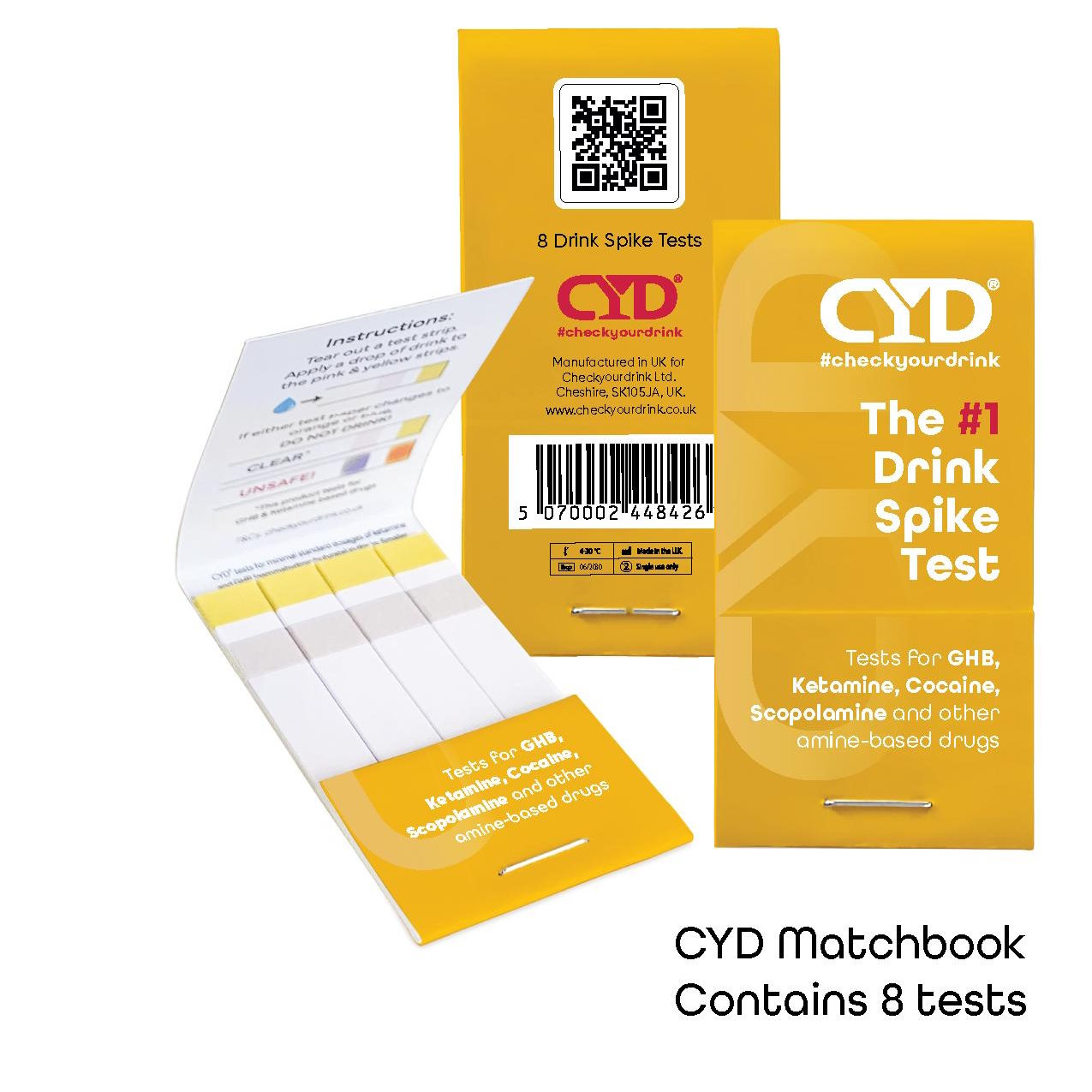
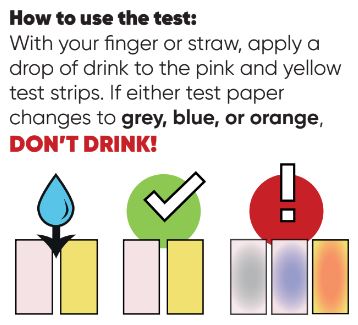
Can a drink-spiking strip prove what happened?
No. Rapid strips only screen selected substance groups.
They may produce false-positive or false-negative results. A negative result cannot confirm drink safety.
Keep the drink after any result. Police forensic testing remains more comprehensive and evidential.
Suspected drink-spiking questions
How quickly should suspected spiking be reported?
Report it immediately when possible. Some substances leave the body within 12 hours.
Should I keep the suspected drink?
Yes, when safe. Keep its glass, bottle, straw, and packaging together.
Can I report spiking after several days?
Yes. Police may still investigate and collect other useful evidence.
Should I attend hospital?
Attend A&E for serious symptoms. Call NHS 111 for urgent advice.
Does a negative test strip mean the drink is safe?
No. Strips cannot detect every substance or exclude drink tampering.
Sources and further support
Written and medically reviewed by Dr Amer Sheikh, GP. Last reviewed 30 August 2026.