DRUG TEST LONDON SAMPLE PROCESSING POLICY
Last updated: 13 July 2026
1. Purpose
This policy explains sample handling and repeat testing.
It applies to clinic and home collections.
It also applies to chain-of-custody testing.
2. Sample types
Samples may include:
- Blood.
- Urine.
- Hair.
- Nails.
- Saliva.
- Other biological materials.
The required sample depends upon the ordered test.
3. Customer responsibilities
You must follow all supplied instructions.
You must provide accurate personal details.
You must disclose relevant medicines when requested.
You must provide samples within stated timeframes.
You must not contaminate or substitute samples.
You must not tamper with sample packaging.
4. Clinic collection requirements
Bring acceptable identification when required.
Chain-of-custody testing requires photographic identification.
Clinic staff may record collection details.
They may also document sample appearance.
You must sign required declarations accurately.
Refusal may prevent test completion.
5. Home collection requirements
Use only supplied containers.
Label each container correctly.
Seal packaging exactly as instructed.
Return samples promptly.
Retain available tracking information.
Home testing may not satisfy legal requirements.
Check this before ordering.
6. Hair samples
Hair testing requires suitable hair.
Suitability may depend upon:
- Hair length.
- Hair quantity.
- Collection location.
- Cosmetic treatments.
- Bleaching.
- Dyeing.
- Chemical straightening.
- External contamination.
Head hair is usually preferred.
Body hair may have different limitations.
The laboratory decides final suitability.
7. Urine samples
Urine samples may require minimum volume.
Samples may undergo validity testing.
Validity checks may identify:
- Dilution.
- Substitution.
- Adulteration.
- Abnormal creatinine.
- Abnormal temperature.
- Abnormal pH.
- Oxidising substances.
An invalid sample may require recollection.
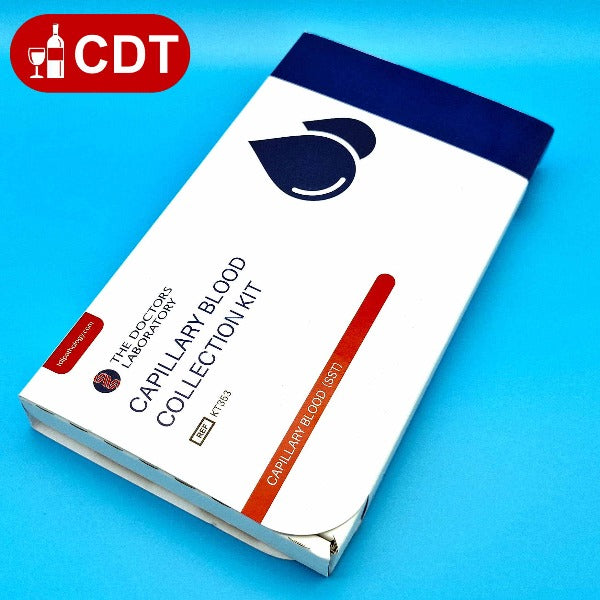
8. Blood samples
Blood collection may occasionally fail.
Possible causes include:
- Difficult venous access.
- Insufficient volume.
- Clotting.
- Haemolysis.
- Incorrect tube use.
- Leakage.
- Transport damage.
Repeat collection may be required.
9. Nail samples
Nail testing requires sufficient material.
Cosmetic treatments may affect suitability.
False nails should be disclosed beforehand.
The laboratory decides whether testing remains possible.
10. Sample rejection
Samples may be rejected because of:
- Incorrect identification.
- Missing documentation.
- Broken seals.
- Insufficient quantity.
- Contamination.
- Leakage.
- Delayed transport.
- Incorrect packaging.
- Suspected tampering.
- Laboratory quality concerns.
11. Chain-of-custody failures
Chain-of-custody documentation must remain complete.
A procedural break may invalidate the sample.
The sample may still permit private testing.
However, third-party acceptance cannot be guaranteed.
Recollection may be required.
12. Lost or damaged samples
Samples may occasionally become lost or damaged.
We will investigate reported incidents.
We may contact the laboratory or courier.
We may request tracking information.
Where appropriate, we may offer:
- Repeat collection.
- A replacement kit.
- Another appointment.
- Reprocessing.
- A refund or price reduction.
13. Delayed samples
A delayed sample is not automatically unusable.
The laboratory assesses sample stability.
A repeat sample may become necessary.
14. Laboratory processing
Processing may include:
- Registration.
- Sample preparation.
- Screening.
- Confirmation testing.
- Validity testing.
- Scientific review.
- Report preparation.
Confirmation testing may extend turnaround.
15. Inconclusive or invalid results
A result may be inconclusive or invalid.
This does not always indicate laboratory error.
Possible reasons include:
- Insufficient material.
- Interference.
- Borderline findings.
- Sample degradation.
- Suspected adulteration.
- Quality-control failure.
Repeat collection may be recommended.
16. Repeat testing
Repeat testing may involve:
- Reanalysis.
- Confirmation testing.
- Another sample.
- Another sample type.
- Another clinic appointment.
- Specialist laboratory referral.
We will explain reasonable next steps.
17. Additional charges
We will not charge for failures caused by us.
Charges may apply where customers:
- Ignore clear instructions.
- Miss appointments.
- Provide false information.
- Tamper with samples.
- Order the wrong service.
- Request unnecessary repetition.
We will explain charges beforehand.
18. Turnaround times
Turnaround times remain estimates.
They begin after suitable laboratory receipt.
Confirmation testing may extend times.
19. Third-party deadlines
We cannot guarantee completion before legal deadlines.
Customers should order with sufficient time.
20. Statutory rights
Nothing within this policy removes statutory rights.
21. Contact details
Email: enquiry@drugtest.london
Telephone: 0207 871 3015