How to Prepare For and Pass Your DVLA Medical and CDT Test
Written by Amer Sheikh
December 8, 2024
How to Pass Your DVLA Medical and Regain Your Licence
A DVLA medical can feel stressful, especially if your licence depends on it.
Preparing properly can make the process clearer and less worrying.
This guide explains the DVLA medical, the CDT blood test,
and practical steps to help you prepare.
Understand the DVLA Medical Requirements
A DVLA medical for drink driving is used to assess fitness to drive.
It may include questions about alcohol use, a medical examination,
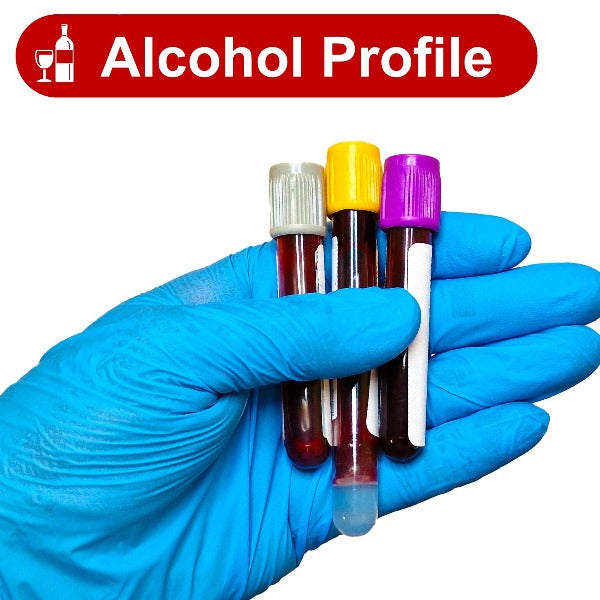
and blood testing.
The aim is to check whether there is evidence of ongoing alcohol misuse
or alcohol dependence.
Passing the medical helps reassure the DVLA that you are safe to drive.
The process can feel daunting.
However, preparation can help you feel more confident before your appointment.
Reduce Alcohol Before the DVLA Medical
Alcohol can affect the blood markers checked during the DVLA medical.
For this reason, it is sensible to stop drinking well before the test.
Many people aim for several weeks of complete abstinence.
This gives the body time to improve alcohol-related blood markers,
including CDT.
Practical tips
stop drinking as early as possible before the appointment
avoid “just one drink” before your medical
choose alcohol-free days and alcohol-free alternatives
learn standard UK alcohol units and drink sizes
seek help early if stopping alcohol feels difficult
Improve Your Overall Health
A healthier routine can support your general wellbeing before the medical.
It may also help you feel calmer and more in control.
Eat well: choose balanced meals with protein, vegetables, and whole foods.
Sleep properly: good sleep supports mood, energy, and recovery.
Exercise regularly: gentle activity can support general health.
Stay hydrated: drink water regularly, especially before appointments.
Avoid binges: heavy drinking can affect blood test results.
Complete the DVLA Medical Questionnaire Honestly
You may be asked about your alcohol history and current drinking.
Answer the questionnaire honestly and consistently.
Inaccurate answers can cause delays.
They may also lead to further assessment or refusal.
Honesty shows insight, responsibility, and respect for road safety.
Prepare for the CDT Blood Test
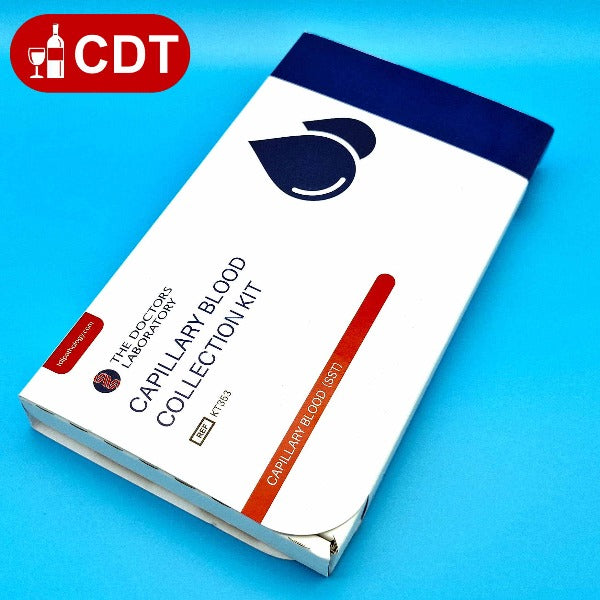
The CDT blood test is commonly used in DVLA alcohol medicals.
CDT stands for Carbohydrate Deficient Transferrin.
It can help detect patterns of heavy alcohol use over recent weeks.
A lower CDT result may support your case for licence reinstatement.
The best preparation is consistent alcohol abstinence.
Last-minute changes may not give your body enough time.
What Are the DVLA CDT Levels?
CDT is reported as a percentage.
In the information provided, a CDT level of 2.2% or less
is described as the level needed to pass.
A CDT result above 2.2% may suggest problematic alcohol consumption.
A result above 3% may suggest alcohol dependence.
CDT can reflect alcohol intake over the previous two to three weeks.
It may return towards normal after abstinence.
The half-life is often described as around 14 days.
Important
Do not rely on tricks or last-minute fixes.
The safest approach is sustained abstinence and honest preparation.
Consider Doing Your Own CDT Test
Many people feel anxious before a DVLA medical.
This is understandable because getting your licence back is important.
A private CDT test can help you check your result before attending.
This may give you extra reassurance.
It may also highlight whether you need more time before your appointment.
Avoid leaving this until the last minute.
Waiting for results close to your DVLA appointment can increase stress.
Book a Private CDT Test
Drug Test London offers CDT testing options.
These can help you prepare before your DVLA medical.